Choose Your Road
CDL Class A vs Class B
Both get you driving for a living in about four weeks. The difference is what you can drive, what you'll earn, and the kind of life on the road you want. Here's how to decide.
Both get you driving for a living in about four weeks. The difference is what you can drive, what you'll earn, and the kind of life on the road you want. Here's how to decide.
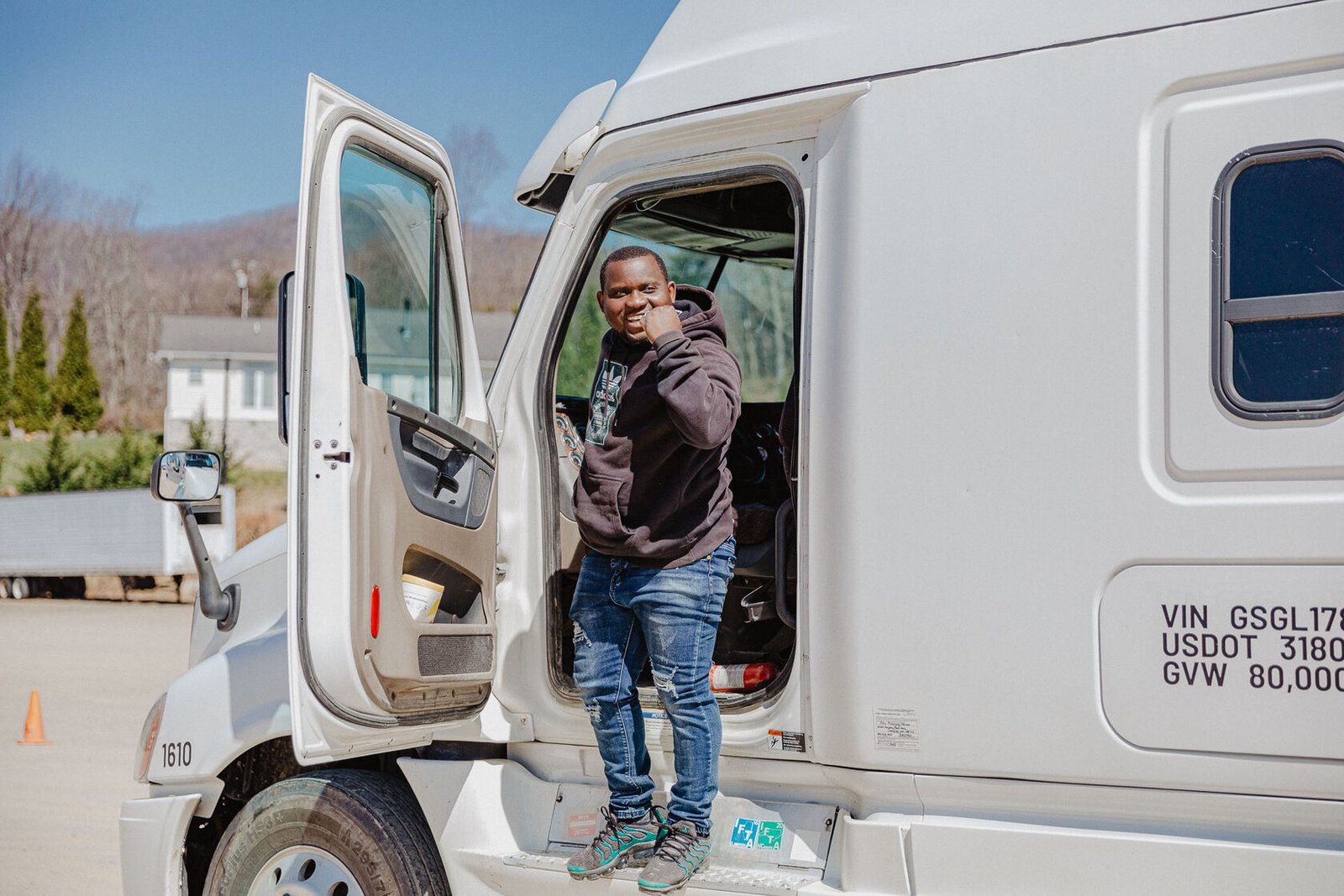
A Class A CDL covers everything a Class B does, plus combination vehicles like tractor-trailers - so it opens the most jobs and the highest pay. A Class B gets you into steady, often local work like dump trucks, box trucks and buses, frequently with more time at home.
| CDL Class A | CDL Class B | |
|---|---|---|
| What you drive | Tractor-trailers, tankers, flatbeds, livestock carriers - plus all Class B vehicles | Dump trucks, box trucks, large buses, straight trucks |
| Weight rating | GCWR 26,001+ lbs, with a towed unit over 10,000 lbs | Single vehicle GVWR 26,001+ lbs |
| Tuition (automatic) | $4,000 | $3,500 |
| Tuition (manual) | $4,500 | $4,000 |
| Course length | 160 hours · ~4 weeks | 160 hours · ~4 weeks |
| Typical jobs | Long-haul, regional & OTR freight, tanker, flatbed | Local delivery, construction, transit & school buses |
| Earning potential | Highest - largest pool of higher-paying routes | Solid - strong local demand and steady hours |
| Time at home | Varies by route - more long-haul options | Often local, home most nights |
| Drives a Class B? | Class B only |
Here's why: a Class A license lets you legally drive Class B vehicles too, so it keeps every door open. For just a few hundred dollars more in tuition, you qualify for the largest pool of jobs and the routes that pay the most - without locking yourself out of local work.
That said, if your heart is set on local dump-truck, delivery or bus driving close to home, a Class B is a smart, affordable choice. Either way, you'll be licensed and hireable in about four weeks.
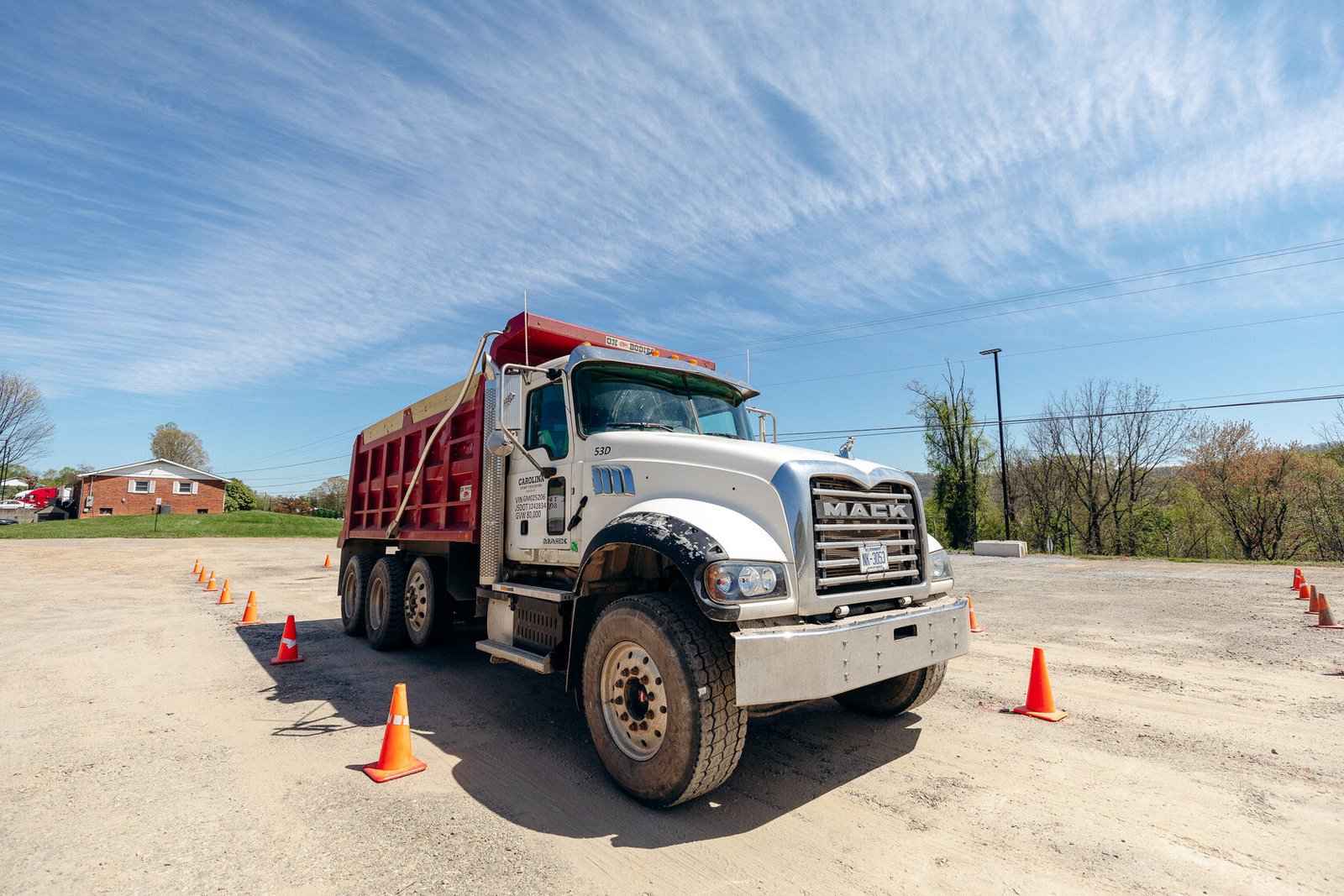
The line between a Class A and a Class B CDL comes down to weight ratings and whether you're towing. A Class A license covers any combination of vehicles with a gross combination weight rating (GCWR) of 26,001 lbs or more, as long as the unit being towed is heavier than 10,000 lbs. In plain terms, that's the tractor-trailer world: semis, tankers, flatbeds and livestock carriers. A Class B license covers single vehicles with a gross vehicle weight rating (GVWR) of 26,001 lbs or more - dump trucks, box trucks, large buses and other straight trucks that don't pull a heavy trailer.
The most important thing to know is that a Class A is the bigger license. Because it covers combination vehicles and Class B vehicles, holding a Class A means you can legally drive the trucks a Class B driver can plus everything heavier. A Class B driver, on the other hand, is limited to single straight trucks and buses. That single fact is why most of our students choose Class A - it simply keeps more doors open.
With a Class A CDL you're eligible for the largest pool of trucking jobs in the country, including long-haul and regional freight that tend to pay the most. New CDL drivers in NC commonly start somewhere around $50k to $70k+ per year, and Class A routes often sit at the higher end of that range. The trade-off is that some of those jobs keep you out on the road for longer stretches.
A Class B CDL shines for drivers who want to stay close to home. Dump-truck work on local construction sites, box-truck delivery routes, and city or school bus driving are steady, in-demand jobs across Western North Carolina - often with predictable hours and your own bed most nights. Tuition is also a little lower to start, at $3,500 for automatic versus $4,000 for a Class A automatic.
Whichever you choose, the training is the same length: a 160-hour, ELDT-compliant course over about four weeks, Monday through Thursday, with real classroom instruction, range work and highway miles. You can train in a manual or automatic transmission, and NC residents don't need a CDL permit to start. If you're still on the fence, the smart move is usually Class A - for a few hundred dollars more, you get the broadest career and never close off the local jobs a Class B would do.
Tell us your goals - time at home, the kind of trucks you like, your budget - and we'll point you to the right license. No pressure, just straight answers.
Apply today and our team will call you to help choose your class and schedule your start date.